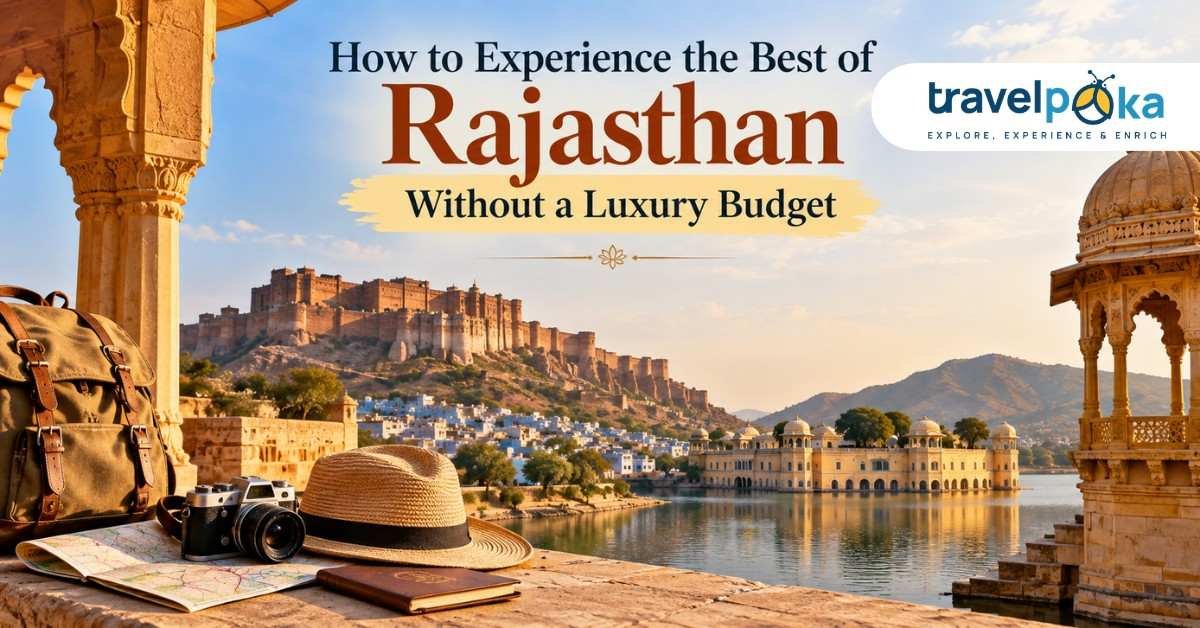
Rajasthan has a way of making every journey feel larger than life. Massive forts rise above historic cities, colorful bazaars fill narrow streets, ancient architecture tells stories of royal families, and the desert creates a landscape unlike anywhere else in India.
With destinations such as Jaipur, Jodhpur, Udaipur, Jaisalmer, Pushkar, and Bikaner, there is no shortage of places to explore. But experiencing all this does not necessarily mean spending heavily.
The key is to make thoughtful decisions about when you travel, where you stay, how you move between destinations, and which experiences deserve a place in your itinerary.
Travel During a Less Busy Period
Timing can significantly influence the overall cost of a holiday.
Between October and March, Rajasthan generally experiences more comfortable weather, making this period popular with tourists. Since demand is higher, accommodation and transportation may also become more expensive.
If your schedule is flexible, consider travelling around the beginning or end of the peak period. Prices may be more manageable, while the weather can still be suitable for sightseeing.
Comparing several travel dates before making reservations can also reveal considerable differences in prices.
Build a Focused Itinerary
Trying to see the entire state during one holiday is unnecessary and can quickly increase your expenses.
Instead, decide what kind of experience you want. History enthusiasts may prefer destinations known for forts and palaces, while travellers interested in lakes, desert landscapes, shopping, or culture can create a completely different route.
A shorter itinerary covering three or four destinations can often be more enjoyable than constantly travelling from one city to another.
Find Accommodation That Offers Value
Rajasthan has accommodation ranging from luxurious heritage properties to inexpensive hostels and guesthouses.
Travellers watching their spending do not necessarily need the cheapest available room. A clean, comfortable property in a convenient location can provide better overall value.
Check whether breakfast, Wi-Fi, parking, or other useful facilities are included. Also consider the property’s distance from major attractions. Saving a little on a room may not be worthwhile if you then spend considerably more on local transportation.
Choose Practical Transportation
Getting between cities can represent a significant part of your travel expenditure.
Trains are useful for several intercity journeys, while buses can be practical on routes where rail connections are less convenient. Travellers should compare the total cost and travel time before choosing their preferred option.
For families or groups, hiring a vehicle and dividing the cost among several people may sometimes be more practical than purchasing individual tickets.
Planning your route efficiently also reduces unnecessary backtracking and saves both money and time.
Eat Where the Locals Eat
You do not need expensive dining establishments to experience Rajasthan’s food culture.
Local eateries and smaller restaurants offer opportunities to try traditional dishes such as dal baati churma, gatte ki sabzi, ker sangri, pyaaz kachori, and regional sweets without putting excessive pressure on your budget.
Instead of eating every meal at tourist-oriented restaurants, mix occasional special meals with everyday local dining.
Apart from being economical, this can also give you a more authentic taste of the region.
Discover Experiences That Cost Little
Some of Rajasthan’s most enjoyable moments are not necessarily expensive.
Take a walk through an old neighbourhood, explore a traditional market, admire historic architecture from outside, watch the sunset, or spend time observing local artisans at work.
Markets are particularly enjoyable even when you are not planning to buy anything. The colours, sounds, textiles, handicrafts, and street life provide a glimpse into everyday Rajasthan.
Not every memorable travel experience needs an entrance ticket.
Prioritise Paid Attractions
Rajasthan contains an impressive number of forts, museums, palaces, temples, and other attractions. Visiting every paid site can make expenses accumulate quickly.
Before your trip, identify the attractions you genuinely want to experience and research their entry charges. Prioritising a few significant sites can be more rewarding than rushing through numerous locations simply to check them off a list.
If you are travelling with children or older family members, also consider how much time and energy each attraction requires.
Be Careful With Shopping
Rajasthan is famous for textiles, jewellery, pottery, leather goods, paintings, handicrafts, and decorative items. It is easy to spend more than planned once you start exploring local bazaars.
Set aside a specific amount for shopping before your trip. Compare prices between sellers and take time before purchasing expensive items.
Rather than buying everything that catches your attention, choose a few meaningful souvenirs that you will actually use or value after returning home.
Spend More on the Experiences That Matter
Saving money does not mean avoiding every paid activity.
Instead, decide which experiences are genuinely important to you and allocate your budget accordingly.
For example, a traveller visiting Jaisalmer might prefer spending more on a desert experience while choosing simpler accommodation elsewhere. Someone interested in history might prioritise guided visits to important monuments instead of spending heavily on shopping.
A flexible budget allows you to save in less important areas and spend selectively on experiences you are likely to remember.
Avoid Packing Too Much Into One Trip
A crowded itinerary may look impressive on paper but can become exhausting and expensive in reality.
Every additional destination involves transportation, meals, accommodation changes, and time spent travelling. Constant movement can also leave little opportunity to experience each place properly.
Give yourself enough time to explore instead of trying to collect as many destinations as possible.
A slower journey can often provide better value than a rushed one.
Track Your Spending Every Day
A simple spending plan can prevent small expenses from becoming a large problem.
Before leaving, divide your estimated budget into categories such as accommodation, meals, transportation, sightseeing, shopping, activities, and emergency funds.
Keep track of your actual spending as the trip progresses. If you spend more than expected on one category, you can adjust another instead of exceeding your overall budget.
This approach also gives you greater control when unexpected expenses arise.
Choose Convenience Without Ignoring the Fine Print
Travellers who do not want to arrange every part of their holiday independently may prefer an organised travel plan. Combining transportation, accommodation, sightseeing, and other services can make the planning process simpler.
However, never judge an organised holiday solely by its advertised price.
Check exactly what is included, what is excluded, the type of accommodation provided, transportation arrangements, sightseeing schedule, meal plan, entry fees, and additional charges.
A slightly more expensive option can sometimes offer better value if it includes services that would otherwise require separate payments.
Conclusion
Exploring Rajasthan on a limited budget is entirely possible, but it requires more than simply choosing the cheapest option at every stage.
The smarter approach is to spend where it adds genuine value and save where it does not.
Choose your travel period carefully, create a manageable route, select practical accommodation, use suitable transportation, eat locally, and prioritise the experiences that matter most to you.
From historic cities and colourful markets to desert landscapes and regional cuisine, Rajasthan offers plenty of opportunities to create memorable travel experiences without turning every part of the journey into a luxury expense.
Frequently Asked Questions
Can Rajasthan be explored on a limited budget?
Yes. Travellers can control costs by choosing practical accommodation, using economical transportation, eating at local establishments, and selecting attractions carefully.
How many destinations should I include in one trip?
There is no fixed number. Three or four destinations can be a comfortable choice for a shorter holiday, allowing enough time to explore without excessive travelling.
Is public transportation useful in Rajasthan?
Yes. Trains and buses connect many important destinations and can be useful alternatives to private transportation, depending on the route and schedule.
What should I budget for besides hotels and transportation?
Consider meals, attraction fees, local travel, shopping, activities, tips, and an emergency allowance when calculating your total holiday budget.
How can I avoid unnecessary travel expenses?
Plan your route before travelling, avoid excessive destination-hopping, compare transportation options, and choose accommodation close to the places you intend to visit.
Is it worth booking an organised holiday?
It depends on your preferences. Organised travel can reduce planning effort, but you should compare inclusions and exclusions carefully to determine whether the overall cost represents good value.