Author name: travelpoka

affordable homestays in North Bengal
Homestays

Your North Bengal Trip Is Incomplete Without This Stay Experience

North Bengal is often approached like a checklist: Darjeeling for the views, Dooars for the forests, Kalimpong for the quiet. Most travelers move quickly, ticking off landmarks from a hotel window. The result is predictable, good photos, but limited memories. What’s missing isn’t another destination; it’s the way you stay. If you want to truly bridge the gap between being a tourist and being a guest, looking for affordable homestays in North Bengal is the first step toward a deeper journey. The Difference Between Visiting and Experiencing Hotels tend to standardize your trip. The rooms look familiar, the food is generic, and the interaction remains surface-level. You see North Bengal, but you don’t enter it. Choosing a homestay changes the frame. You wake to the sound of local life, not hallway traffic. Within a day, the location stops feeling like a stopover and starts feeling personal. Mornings That Don’t Feel Rushed North Bengal’s mornings are the essence of the region, soft mist rolling over hills and a silence that cities have long forgotten. In a hotel, mornings are scheduled around buffet timings. In the many affordable homestays in North Bengal, they are lived. You step out with a cup of tea, not to “see a view,” but to live inside it. There’s no urgency, no crowd, and no pressure to move on. Food That Belongs to the Place Meals are where most trips become interchangeable. Homestays reverse that completely. Here, food is prepared for people, not curated for tourists. You eat what’s fresh, local, and seasonal. Whether it’s a warm home-cooked meal or a quiet breakfast with a mountain view, food becomes a connection to the land. You don’t just eat; you learn, you ask, and you share. Access You Can’t Buy at a Front Desk One of the most overlooked advantages of staying in affordable homestays in North Bengal is the natural access they provide. A host might guide you to a quiet forest trail, a hidden stream, or a viewpoint untouched by crowds. These experiences don’t come from brochures or travel apps; they come from being inside the ecosystem of the place. Comfort, Without the Detachment There’s a common hesitation: will a budget-friendly stay be comfortable? Today, the answer is a resounding yes. Modern, curated homestays offer clean rooms, essential amenities, and privacy. You get the comfort you need without the emotional distance of a large resort. You’re taken care of, but never isolated. Why This Changes the Entire Trip When you anchor your journey in a homestay, the trip reorganizes itself around experience instead of logistics: You stop rushing and start spending meaningful time. Your plans become flexible, allowing for spontaneous exploration. The memories shift from “places visited” to “moments lived.” Where Travelpoka Fits In The biggest barrier to choosing a homestay is often uncertainty regarding quality and safety. Travelpoka addresses that gap by curating and verifying affordable homestays in North Bengal and parts of Northeast India. We remove the guesswork, filtering for comfort and trust while preserving the raw essence of the experience. How to Choose the Right Stay If you’re ready to trade the generic for the authentic, keep these tips in mind: Location over Luxury: Choose proximity to nature over busy town centers. Host Involvement: The best memories come from engaged, local hosts. Check the Reviews: Prioritize feedback that mentions the “vibe” and hospitality, not just the facilities. A well-chosen stay doesn’t just support your trip; it defines it. If your plan is still hotel-first, the trip will be efficient, but perhaps forgettable. By choosing from the best affordable homestays in North Bengal, your pace slows, your interactions deepen, and the destination starts to feel like home. Start with the stay. The rest of the trip will follow.


Sundarban Tour Guide 2026: Packages, Places to Visit & Best Time
Sundarbans

Places to Visit in Sundarban + Cheapest Tour Packages from Kolkata

When people search for the best Sundarban tour package from Kolkata, they’re usually looking for a balance of comfort, safety, and real exploration. A well-crafted package should include transport from Kolkata, boat safaris, forest permits, meals, and a stay near the forest edge. Travelpoka designs itineraries that don’t feel rushed. Instead of just ticking off spots, you actually get to absorb the mangrove ecosystem, watch river dolphins, and maybe—if luck is on your side- catch a glimpse of the Royal Bengal Tiger. Why Choose Sundarban Tour Operators in Kolkata? There are many Sundarban tour operators in Kolkata, but not all offer local expertise. The difference lies in how deeply they understand the terrain. Local-backed operators like Travelpoka ensure: Experienced guides who know tiger movement zones Safer boat routes during changing tides Authentic village experiences, not staged ones This is crucial because the Sundarbans isn’t a typical tourist spot; it’s a living, breathing forest where knowledge equals safety and better sightings. Offer Alert: Cheapest North Bengal & Sikkim Tour Packages for Durga Puja Cheapest Sundarban Tour Package – What to Expect? Looking for the cheapest Sundarban tour package doesn’t mean compromising the experience. Budget packages can still offer: Shared transport and boat rides Clean, basic stays Essential meals and permits The trick is avoiding “too cheap” deals that cut corners on safety or guides. A good budget package still preserves the core experience, especially the forest safari. Places to Visit in Sundarban Some of the most iconic places to visit in Sundarban include: Sajnekhali Watch Tower Sudhanyakhali Watch Tower Dobanki Canopy Walk Netidhopani (rich in folklore and history) Each location offers a different perspective of the mangrove ecosystem. Things to Do in Sundarbans There’s more than just tiger spotting. Top things to do in Sundarbans: Boat safaris through narrow creeks Birdwatching (kingfishers, herons, eagles) Village walks to understand local life Visiting honey collectors and fishermen communities It’s slow travel at its best, quiet, immersive, and real. Best Time to Visit Sundarban The best time to visit Sundarban is between October and March. The weather is pleasant, and wildlife movement increases. If you’re specifically curious about the best time to visit Sundarbans for tiger sightings, the summer months (April–June) offer slightly higher chances, as animals come out near water sources, though the heat can be intense. Sundarbans Places to Stay When it comes to Sundarbans places to stay, options range from eco-resorts to budget lodges. Most accommodations are located near Gosaba or Dayapur, offering: Riverside views Easy safari access Local cuisine Travelpoka partners with reliable stays that balance comfort with authenticity. FAQs  Q1. What is the cost of a Sundarban tour package from Kolkata? Prices typically start from ₹2,500–₹5,000 per person for 1N/2D budget packages and go higher for premium stays. Q2. How many days are enough for the Sundarbans? A 2N/3D trip is ideal to properly explore safaris, watchtowers, and local experiences. Q3. Is Sundarban safe for tourists? Yes, with a certified guide and authorized tour operator, Sundarban tours are safe and well-managed

Offbeat places in Northeast India
North-east

Why is Majuli One of the Most Unique River Islands in the World?

Modern travelers are shifting their gaze away from crowded, commercialized landmarks. Today, the goal is authenticity destinations that offer cultural depth, raw natural beauty, and a soul-stirring experience. When it comes to exploring the most captivating offbeat places in Northeast India, one destination stands out as a true geographical and cultural marvel: Majuli. Located in the heart of Assam, Majuli isn’t just a destination; it’s a vanishing paradise that preserves a way of life found nowhere else on earth. Why Majuli is a Must-Visit Among Offbeat Places in Northeast 1. A Geographical Wonder: The World’s Largest River Island Majuli holds the prestigious title of being the world’s largest inhabited river island. Cradled by the mighty Brahmaputra River, the island’s landscape is a surreal blend of lush wetlands, emerald greenery, and endless river horizons. Furthermore, its unique geography makes it a standout choice for those seeking something extraordinary. Consequently, it serves as a perfect alternative to the standard mountain treks usually associated with offbeat places in Northeast India. 2. The Cultural Heart of Assam: The Satras What truly defines Majuli is its spiritual significance as the epicenter of Assamese Vaishnavite culture. Ancient Monasteries: The island is home to several Satras (monasteries) that date back centuries. Living Art: Visitors can witness monks practicing ancient mask-making and “Sattriya” dance—one of India’s eight classical dance forms. Spirituality: These Satras serve as both religious centers and schools for traditional music, drama, and philosophy. 3. A Sanctuary for Nature and Wildlife For nature enthusiasts, Majuli is a sanctuary of peace. The island offers wide-open landscapes and some of the most stunning sunsets you will ever witness over the Brahmaputra. During the winter months, the region becomes a hub for migratory birds, making it a top-tier destination for birdwatching and photography. Immersive Local Life and Authentic Hospitality While many offbeat destinations in Northeast India offer great views, Majuli provides a deep human connection. Specifically, the Mising and Deori tribes inhabit the island, welcoming visitors with their warm hospitality and traditional lifestyle. To truly immerse yourself in the culture, you should stay in a local homestay. By choosing these traditional bamboo stilt houses—known as Tong-ghars—you connect directly with the community. During your stay, you can taste authentic tribal cuisine, sip Apong (local rice beer), and learn the intricate art of handloom weaving. Ultimately, these simple activities create deeply meaningful experiences. Plan Your Authentic Journey to Assam If you are tired of the typical tourist circuit, Majuli remains a destination unlike any other. It perfectly balances natural serenity with a rich, living history. Among the many offbeat places in Northeast India, Majuli is the one that will leave an indelible mark on your soul. Ready to explore the hidden gems of Assam?

homestays in Kalimpong
Kalimpong

Why Kalimpong Is a Perfect Summer Destination in North Bengal?

As summer temperatures rise in cities, many travelers begin searching for cooler, more peaceful destinations to relax. Popular hill stations often become overcrowded, making it difficult to enjoy a calm and refreshing vacation. For those looking for a pleasant climate, scenic views, and a quieter atmosphere, staying in homestays in Kalimpong offers the perfect summer escape from the urban heat. Refreshing Weather and Himalayan Views One of the main reasons travelers visit Kalimpong during summer is its comfortable climate. While many parts of the country experience intense heat, this town maintains a cool and refreshing atmosphere. This pleasant weather allows you to explore the town, enjoy nature walks, and relax in the hills without the discomfort of high temperatures. In addition to the weather, the town is famous for its breathtaking views of the eastern Himalayas. On clear days, you can witness stunning mountain landscapes and enjoy peaceful mornings surrounded by lush greenery. The natural beauty makes it a dream destination for photography lovers and nature enthusiasts alike. A Peaceful Cultural Retreat Compared to more crowded destinations, Kalimpong offers a quieter and more relaxed environment. You can enjoy the charm of small hill roads, traditional houses, and green valleys without the overwhelming tourist crowds. This tranquility allows for a deeper connection with the region’s rich heritage. The town reflects a vibrant mix of Nepali, Tibetan, and local Himalayan traditions. To truly immerse yourself, you should explore: Ancient Monasteries: Experience the spiritual side of the hills. Local Markets: Discover unique handicrafts and fresh produce. Traditional Food: Taste authentic flavors that you won’t find in big cities. Why Choose Local Hospitality? The best way to experience this region is by booking homestays in Kalimpong. Unlike standard hotels, these stays allow you to experience genuine local hospitality and enjoy fresh, home-cooked meals. You can connect with the culture and nature on a personal level, ensuring your travel experience is both authentic and peaceful. Ultimately, Kalimpong provides everything a traveler needs for a summer getaway: great weather, Himalayan views, and a rich culture. When you choose homestays in Kalimpong, you guarantee a relaxing vacation where you can truly unwind and reconnect with nature. Contact Us for More Information

Budget Friendly Homestays in Sittong
Sittong

Why Sittong Is Becoming a Favourite Offbeat Destination Near Darjeeling?

Many travelers visiting the hills of North Bengal often head straight to Darjeeling. While the town remains one of the most popular hill stations in India, the growing number of tourists has made it increasingly crowded, especially during peak travel seasons. Consequently, many travelers now search for quieter, more peaceful destinations nearby. This is why homestays in Sittong, a small Himalayan village near Darjeeling, are gaining massive attention as the perfect offbeat travel destination for 2026. A Hidden Gem in the Hills Located in the Kurseong subdivision of the Darjeeling district, Sittong features lush forests, mountain slopes, and beautiful valleys. The village offers breathtaking views of the eastern Himalayas and the flowing Teesta River. Unlike busy tourist hubs, this area provides a calm environment where you can truly enjoy nature. Famous for Its Orange Orchards Locals often call Sittong the “Orange Village of Darjeeling” because of its vast orange orchards. During the winter season, the village becomes vibrant as orange trees hang heavy with fresh fruit. This unique natural charm makes the area a popular spot for travelers who want something different from the typical hill station experience. Staying in homestays in Sittong during this time puts you right in the heart of these golden orchards. Perfect for Nature Lovers If you enjoy peaceful surroundings, Sittong offers beautiful nature trails, scenic viewpoints, and fresh mountain air. You can explore nearby forests, enjoy birdwatching, or simply relax while admiring the surrounding valleys. The slow pace of life here makes it ideal for anyone seeking a break from a busy city routine. Authentic Local Hospitality One of the biggest reasons behind the village’s growing popularity is its welcoming culture. By choosing homestays in Sittong, you experience warm hospitality, traditional food, and the everyday lifestyle of the local community. These stays provide a more personal and immersive travel experience compared to standard hotels. As more travelers look for authentic trips, destinations like Sittong continue to rise in popularity. With its scenic landscapes and welcoming locals, it offers a refreshing alternative to the crowded streets of Darjeeling.

Best Time to see Kanchenjunga
Homestays

The Best Time to See Kanchenjunga: Month-by-Month Visibility Guide

For travelers and trekkers, the “Sleeping Buddha” is the ultimate prize of the Eastern Himalayas. However, because of its massive altitude, the mountain creates its own weather system. Finding the best time to see Kanchenjunga is the difference between a life-changing sunrise and a wall of grey mist. Based on local trekking data and atmospheric patterns, here is exactly when you should plan your trip for the clearest views. Autumn: The Peak Visibility Window (October – November) Statistically, this is the best time to see Kanchenjunga with almost 100% certainty. October (85% Visibility): Once the monsoon retreats, it leaves behind a “washed” atmosphere. The dust is gone, and the air is at its crispest. November (80% Visibility): The sky turns a deep, stable navy blue. While it starts getting cold, the clarity of the peak from places like Tiger Hill or Pelling is unmatched. Winter: The Sharpest Views (December – February) If you can brave the sub-zero temperatures, winter offers some of the most dramatic sightings. December & January: The air is very thin and dry, which prevents cloud formation. This is an excellent time for long-distance views from the foothills. The Catch: While visibility is high (70%), heavy snowfall in late January can sometimes block the roads to higher viewpoints. Spring: The Hazy Beauty (March – May) Many people visit during this time for the rhododendrons, but seeing the mountain requires more effort. Morning Priority: In spring, the “heat haze” from the plains starts to rise by 10:00 AM. Visibility Rate: You have about a 60% chance of a clear view, but almost exclusively between 5:30 AM and 8:00 AM. After that, the peak usually disappears into a soft “milkiness.” Monsoon: The Great Disappearance (June – September) This is generally considered the worst time for sightings. The Reality: With humidity levels near 90%, the mountain stays hidden behind thick rain clouds. You might get a “lucky” 5-minute window after a heavy downpour, but it is not reliable for photography. Pro-Tips for Maximum Visibility The 6:00 AM Rule Regardless of the season, Kanchenjunga is most visible at dawn. The thermal clouds that hide the summit usually don’t start rising until the sun has warmed the valley floor for a few hours. Altitude Matters If you are visiting in a hazy month like April, try to get to a higher elevation. Viewpoints like Sandakphu (3,636m) often sit above the “haze line,” giving you a clear view of the peaks while the lower towns like Darjeeling are covered in mist. Frequently Asked Questions When is the absolute best time to see Kanchenjunga? The absolute best time is from mid-October to mid-November. During this window, the probability of a clear, unobstructed view of the summit is at its highest, often exceeding 85%. Can I see Kanchenjunga in the summer months? It is very difficult. During the monsoon (June to August), the mountain is obscured by heavy clouds. Your best chance for a summer sighting is in early June, but even then, it is highly unpredictable. Why is Kanchenjunga visible only in the morning? As the sun heats the valleys, moisture evaporates and rises as mist and clouds. This “thermal lifting” usually covers the mountain by mid-morning, which is why sunrise is the most reliable time for a sighting. What is the best time to see Kanchenjunga from Darjeeling’s Tiger Hill? For the famous “Golden Glow,” October and November at 5:45 AM is the prime time. In winter (December-February), the view is also very clear but significantly colder. Does air pollution affect visibility? Yes. In the pre-monsoon months (April-May), dust and pollution from the plains can create a haze. The post-monsoon air in October is the cleanest, which is why it remains the top recommendation.

workstation in darjeeling
Homestays

10 Remote Work-Friendly Homestays in North Bengal with Stable Wi-Fi

The traditional office is fading, and the “misty mountains” are calling. In 2026, the digital nomad movement has officially reached the Eastern Himalayas. Professionals are no longer choosing between a career and a view; they are choosing a workation in Darjeeling or seeking out reliable Wi-Fi homestays in Sikkim. At Travelpoka, we understand that for a successful remote work trip, a “good view” isn’t enough you need low-latency connectivity, power backups, and a workspace that doesn’t hurt your back. Here is your guide to the best work-friendly stays in North Bengal where the internet is as crisp as the mountain air. Why North Bengal is the New Hub for Digital Nomads The shift toward North Bengal is driven by a massive infrastructure upgrade. With the expansion of high-speed fiber-to-the-home (FTTH) and 5G penetration in offbeat hamlets, places that were once “off-grid” are now “online.” Furthermore, whether you are a developer, a creative, or a corporate leader, the quietude of the hills offers a level of deep work productivity that city offices simply cannot match. In fact, by removing the constant interruptions of urban life, you can achieve a state of “flow” much faster. Consequently, many professionals find they can complete a week’s worth of tasks in just a few days, thereby leaving more time to explore the hidden trails of North Bengal. Finding Your Perfect Workation in Darjeeling Darjeeling has evolved far beyond its colonial charm. For those planning a workation, the town and its surrounding ridges now offer stays equipped with dedicated work desks and mesh Wi-Fi systems. Imagine finishing a high-stakes Zoom call while looking out at the Kanchenjunga range, then stepping out for a walk through a tea garden during your lunch break. The most reliable stays for work in this region are often found slightly away from the crowded Mall Road, in areas like Takdah or Tinchuley, where the silence is profound and the internet signals are unobstructed. The Rise of Reliable Wi-Fi Homestays in Sikkim Sikkim was once considered a “dead zone” for high-bandwidth tasks, but 2026 tells a different story. Moreover, from the vibrant cafes of Gangtok to the serene balconies of Pelling and Ravangla, reliable Wi-Fi homestays in Sikkim are rapidly becoming the gold standard for Indian nomads. This is because the region has seen a significant infrastructure shift toward high-speed fiber connectivity, even in remote altitudes. Ultimately, the key to a successful Sikkim workation lies in choosing a host who prioritizes “Digital Hospitality.” Specifically, this includes providing ergonomic seating and ensuring that the Wi-Fi signal reaches outdoor patios. As a result, you can seamlessly manage a high-stakes meeting while working under the Himalayan sun without the fear of a dropped connection. 5 Things to Check Before Booking Your Mountain Workspace To ensure your productivity doesn’t take a hit, keep these five factors in mind: Broadband Speed: Always ask for a recent Speedtest screenshot. Aim for a minimum of 30-50 Mbps for seamless video conferencing. Power Redundancy: Hill stations are prone to power cuts. Ensure your homestay has a dedicated inverter or a “router UPS” to keep the internet alive during outages. Mobile Network Backup: Check if the property has strong Airtel or Jio 5G reception as a secondary hotspot option. Dedicated Desk: Working from a bed is fun for an hour, but for an 8-hour shift, you need a proper table and chair. Meal Flexibility: Remote work often means odd hours. Look for hosts who offer flexible meal timings so you don’t miss dinner during a late-night call. The Future of Work is Offbeat The trend of “Slow Travel” has merged with the gig economy. At Travelpoka, we see more travelers booking 15-to-30-day stays. By moving your office to North Bengal, you aren’t just changing your background you’re improving your mental well-being and supporting local mountain communities. Frequently Asked Questions Is the internet stable enough for Zoom calls in Darjeeling? Yes, most premium and work-friendly homestays in Darjeeling now use fiber-optic connections (FTTH), providing stable speeds of 50 Mbps to 100 Mbps, ideal for video conferencing. Which areas in Sikkim have the best Wi-Fi for remote work? Gangtok, Pelling, and Namchi currently offer the most reliable connectivity. However, many offbeat hamlets in West and South Sikkim have recently upgraded to high-speed broadband to cater to the workation trend. Do I need to carry my own router for a workation in North Bengal? While most work-friendly stays provide Wi-Fi, carrying a portable “Router UPS” or a high-gain 5G dongle is recommended as a backup for uninterrupted connectivity during monsoon or power fluctuations.

offbeat homestay in sikkim
Blogs, Sikkim

Siliguri to Gangtok 2026 | The Ultimate Transport & Homestay Guide

Planning a trip to the “Land of Monasteries” in 2026 often begins with a scenic climb from the plains, but many travelers are now looking past the city center to find a quiet offbeat homestay in Sikkim. The journey from Siliguri to Gangtok is a roughly 114 km stretch via NH10, taking about 4 to 5 hours. Following the turquoise Teesta River, this drive is the perfect introduction to the Himalayas, whether you are heading straight to a luxury hotel or venturing deeper into the mountains. Shared Taxis: The Budget Traveler’s Choice Shared taxis are the most common way to travel between these two hubs. They are cost-effective and run frequently throughout the day, making them ideal for solo travelers or those on a strict budget. Where to find them: Most shared jeeps (typically Tata Sumos or Mahindra Boleros) depart from the SNT (Sikkim Nationalised Transport) Terminus or near Siliguri Junction. If you are arriving by train, look for the dedicated stands right outside NJP Railway Station. 2026 Estimated Fares: Expect to pay between ₹400 and ₹600 per seat. Front seats usually command a slight premium for the extra legroom. The Experience: These vehicles wait until all 10 seats are filled before departing. While it can be a bit cramped, it’s a great way to experience the local pace of life. Private Cabs: Comfort and Flexibility If you value privacy, have significant luggage, or are traveling with family, a private cab is the superior choice. It allows you to set your own pace and enjoy the scenery without the rush. Vehicle Options: You can choose from small hatchbacks (WagonR/Alto), comfortable sedans (Dzire/Etios), or premium SUVs like the Innova Crysta. 2026 Estimated Rates: Small hatchbacks generally start around ₹3,500, while a premium SUV like an Innova Crysta can cost ₹7,000 or more, depending on the season. The Perk: Private cabs offer door-to-door service. You also have the freedom to stop at iconic spots like the Sevoke Coronation Bridge or grab a plate of fresh momos at the Rangpo border checkpost. Beyond the City: Embracing Local Culture While Gangtok is the vibrant heart of the state, the trend for 2026 is moving toward slow travel. Many visitors use the capital as a base before heading out to a remote offbeat homestay in Sikkim. Areas like Dzongu or the villages along the Old Silk Route offer a chance to swap hotel buffets for home-cooked gundruk and traditional Bhutia hospitality. Staying at an offbeat homestay in Sikkim isn’t just about the view; it’s about waking up to the sound of monastery bells and supporting the local mountain communities. Quick Travel Tips for 2026 Documentation: Always carry physical copies of your ID (Aadhar or Voter ID) and passport-sized photos. You will need these at the Rangpo checkpost to enter Sikkim or for Inner Line Permits. Timing is Everything: Try to leave Siliguri by 10:00 AM. Mountain roads are much safer and more enjoyable in full daylight, and arriving early gives you time to explore MG Marg by evening. Reliability: Booking through a trusted platform like Travelpoka ensures you get verified drivers and transparent pricing, avoiding the stress of last-minute negotiations at the taxi stand. Frequently Asked Questions (FAQs) 1. How long does it take to travel from Siliguri to Gangtok in 2026? On average, the journey takes 4 to 5 hours via NH10. However, during monsoon months or peak tourist season, traffic near the Sevoke or Rangpo checkposts can extend the trip to 6 hours. 2. Can I get a shared taxi from NJP Railway Station to Gangtok? Yes, shared taxis (mostly Sumo/Bolero) are available at the NJP taxi stand right outside the station. They usually operate from 7:00 AM to 3:00 PM. 3. Is a permit required to enter Gangtok from Siliguri? Indian tourists do not need a permit to enter Gangtok city, but you must carry a valid Photo ID (Aadhar/Voter ID) for the Rangpo checkpost. Foreign nationals require a Restricted Area Permit (RAP). 4. Where can I find an offbeat homestay in Sikkim once I reach Gangtok? While Gangtok is a hub, you can find a quiet offbeat homestay in Sikkim in nearby areas like Ranka, Martam, or Dzongu. These are usually 1–3 hours away from the main city and offer a more local experience. 5. What is the best time of day to start the journey? It is best to start by 9:00 AM or 10:00 AM. This ensures you navigate the mountain roads in broad daylight and reach your destination before the evening fog sets in.  

Homestays in Sikkim
Sikkim

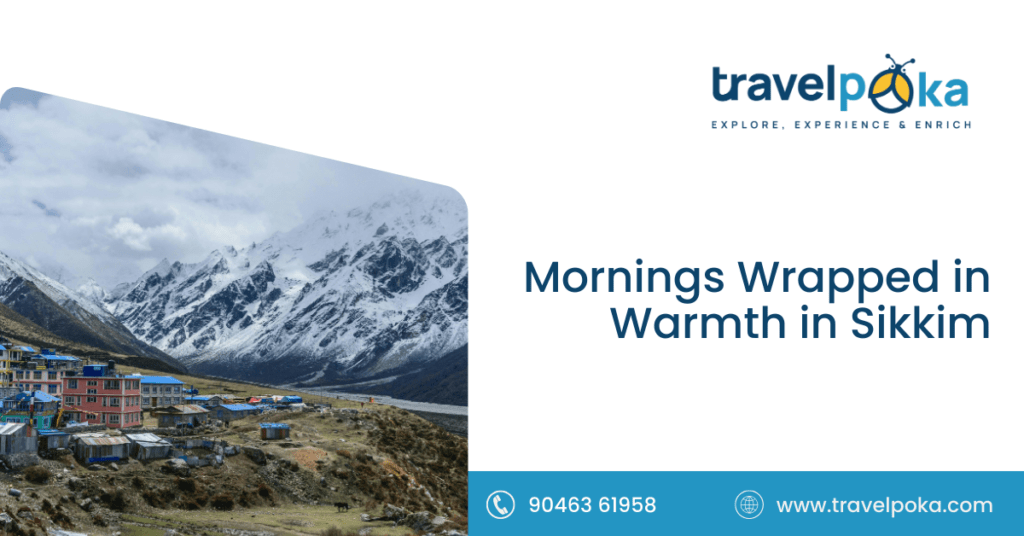
Winter Mornings in Sikkim Wrapped in Warmth and Quiet

Winter in Sikkim doesn’t demand your attention; it earns it through a quiet, slow-motion grace. While most travel destinations push you to beat the clock, homestays in Sikkim offer a rare invitation to do absolutely nothing. Here, the season isn’t a challenge to endure, but a sanctuary to embrace. Why Winter Mornings Feel Different When you wake up in the mountains, the world feels hit by a “pause” button. You’ll notice the frost clinging to rooftops and mist drifting lazily through the valleys long before you hear a single car horn. Unlike sterile hotels, homestays in Sikkim capture the authentic stillness of the Himalayas. You won’t feel the urge to check your watch because the environment dictates a different pace. Instead of rushing to a buffet line, you watch the pale sunlight hit the peaks while the scent of woodsmoke begins to rise from the kitchen. The Authentic Warmth of Local Living Choosing homestays in Sikkim during the colder months transforms your trip from a standard vacation into a soulful retreat. These homes offer a specific kind of comfort that modern heaters simply cannot replicate. Shared Rhythm: You live alongside families who have perfected the art of winter for generations. Sensory Comfort: Feel the warmth of a heavy hand-woven blanket and the steady steam of a fresh cup of Temi tea. Architectural Soul: Wooden floors and intimate spaces hold the previous day’s heat, creating a sheltered cocoon against the crisp mountain air. Consequently, conversations become quieter and movements turn more deliberate. You aren’t just a tourist; you are a guest in a space where time stretches to fit your mood. Finding Peace in the Silence Many travelers search for “quiet,” but the silence found in homestays in Sikkim feels substantial rather than empty. Because the high-season crowds have thinned, you can actually hear the distant ring of a prayer bell or the rustle of wind through the pines. This stillness does more than provide peace; it clears the mind. As you sit on a sun-drenched veranda, you naturally breathe deeper and think less. This mental clarity is the true gift of a Sikkimese winter. Why Travelers Choose Travelpoka While people often visit for the snow-capped views, they return for the feeling of being “held” by the landscape. Travelpoka curates homestays in Sikkim that prioritize these organic moments. We don’t just book a room; we provide a gateway to a lifestyle where urgency doesn’t exist. The Winter Experience: It’s not about ticking off a sightseeing list. It’s about the morning you spent wrapped in a shawl, watching the mist lift, feeling entirely at home in a foreign land. Experience the side of the mountains that stays with you long after you’ve descended. Whether it’s the hospitality of your hosts or the crisp, clean air, a winter stay here isn’t just a trip it’s a memory in the making.

Homestays in Meghalaya
Meghalaya

Why Homestays Are the Best Way to Feel the Real Meghalaya?

Meghalaya doesn’t introduce itself loudly. Instead, it eases you in with mist rolling over emerald hills, quiet roads, and a calm that feels entirely intentional. You quickly realize an essential truth: this is not a place meant to be managed or rushed. Because the landscape demands a slower rhythm, homestays in Meghalaya don’t just work they make perfect sense. Why Meghalaya Moves at Its Own Pace In this corner of Northeast India, mornings don’t begin with urgency. Instead, they start with clouds drifting past your window and birds announcing the day long before the locals do. When you choose homestays in Meghalaya whether tucked away near Shillong or hidden in a remote village you stop forcing yourself into a rigid schedule. You begin to adjust to the pace of the land. While traditional hotels often pressure you to plan every minute, Meghalaya asks you to let the day happen. Staying in a home allows you to truly listen to the environment. Experience the Living Culture While anyone can visit a viewpoint, you only understand the “Abode of Clouds” when you watch daily life unfold. Homestays in Meghalaya reveal the details that guidebooks consistently overlook: How families prepare for the morning dampness. How seasonal weather dictates the local menu. How honest, slow-burning conversations flow over tea. Consequently, you aren’t just observing a culture from a distance; you are sitting right inside it. Meghalaya reveals its true self through these everyday moments rather than curated tourist attractions. Food, Silence, and Authentic Connection Meals in local homes are unpretentious and grounding. Hosts prepare food with genuine care rather than focusing on flashy presentation. By staying in homestays in Meghalaya, you eat what is local and seasonal, enjoying dishes that suit the cool, humid climate. Whether you engage in deep conversation or share a comfortable silence, these meals feel profoundly human. Those quiet dinners, accompanied by the gentle tap of rain on a tin roof, stay with you long after your trip ends. A Natural Playground for Children Children often understand the magic of this region faster than adults. In a homestay setting, they step outside and immediately engage with the hills, the rain, and the vast open spaces. Because curiosity takes over naturally, parents rarely need to provide constant entertainment. Parents often notice a shift in themselves as well; they find themselves managing less and enjoying more. While the land gives children freedom, homestays in Meghalaya give parents peace of mind. Why Homestays Outshine Hotels Meghalaya isn’t built around grand spectacles; it is built around a quiet coexistence with nature. Homestays in Meghalaya fit into this rhythm perfectly without interrupting it. Personal Connection: Hosts remember your name and your preferences. Familiarity: By the second evening, the space feels familiar and welcoming. Authenticity: You aren’t a visitor passing through a lobby; you are a guest sharing a home. Live the Experience with Travelpoka Travelpoka curates homestays in Meghalaya with a deep understanding that this land isn’t a commodity to be consumed quickly. It is a place to be lived in, however briefly. We prioritize the elements that matter most: no rush, no performance just quiet mornings, rainy evenings, and authentic food. When you finally leave, you won’t just miss the breathtaking views. You will miss the quiet, the pace, and the feeling of a life well-lived. People return to these hills not just to see new sights, but to recapture a feeling of home they found within the clouds.